Tempe and Guadalupe Roofing: What Older Homes Need Most
A local guide to the roofing issues most common in Tempe and Guadalupe’s older homes, and what to prioritize when repairing or replacing an aging roof.
Tempe and Guadalupe have some of the older housing stock in the East Valley, with many homes built decades ago, well before today’s roofing materials, underlayment standards, and attic ventilation practices existed. If you own an older home in this area, your roof is likely working harder than a newer roof nearby — and it is worth understanding what tends to go wrong first, and what to prioritize when it is time for repairs or replacement.
Why older homes in Tempe and Guadalupe face different roofing challenges
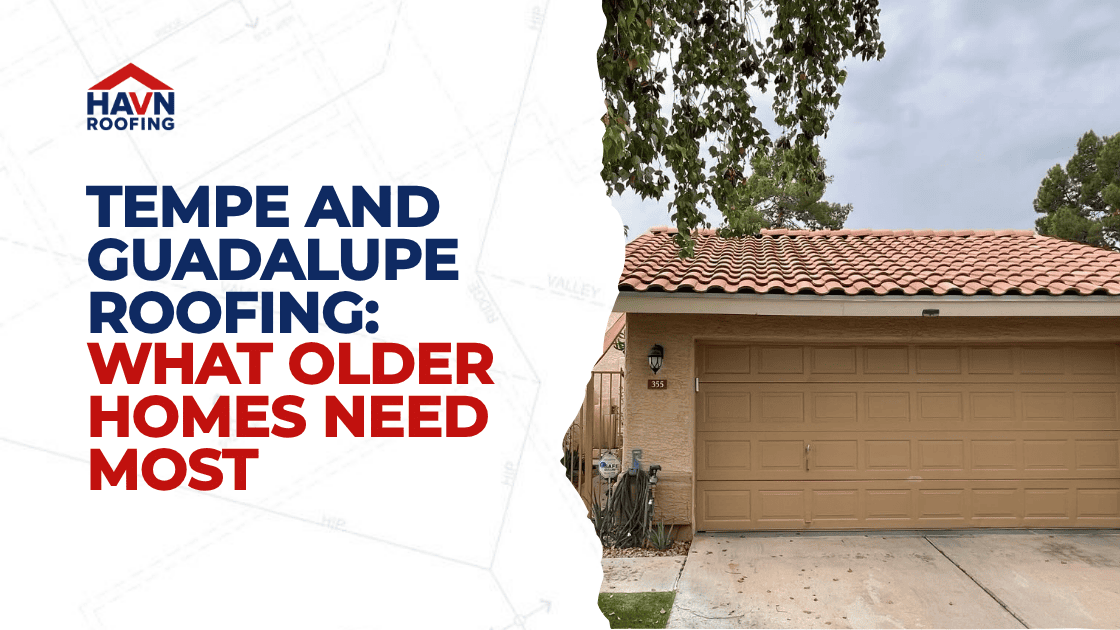
Many homes in central Tempe and Guadalupe were built between the 1950s and 1980s, often with roofing systems, decking, and ventilation designed to a lower standard than what is typical today. Decades of Arizona summers and monsoon seasons have put additional stress on these original systems, even where updates have been made along the way. A roof that has already been through 30, 40, or 50 years of extreme heat and storm cycles is simply closer to the end of its useful life, regardless of how well it was built originally.
The most common roofing issues in older Tempe and Guadalupe homes
Outdated or degraded underlayment
Many older roofs, particularly tile roofs, were installed with underlayment materials that have a shorter functional lifespan than modern synthetic and modified bitumen options. Even if the tile on top still looks fine, the underlayment underneath may already be brittle or failing, which is often the real source of leaks in an aging tile roof.
Insufficient attic ventilation
Older homes were frequently built with less attic ventilation than current standards call for. Poor ventilation traps heat in the attic, which accelerates wear on roofing materials from underneath and can increase cooling costs significantly during Arizona summers.
Cracked or shifted tiles from decades of thermal cycling
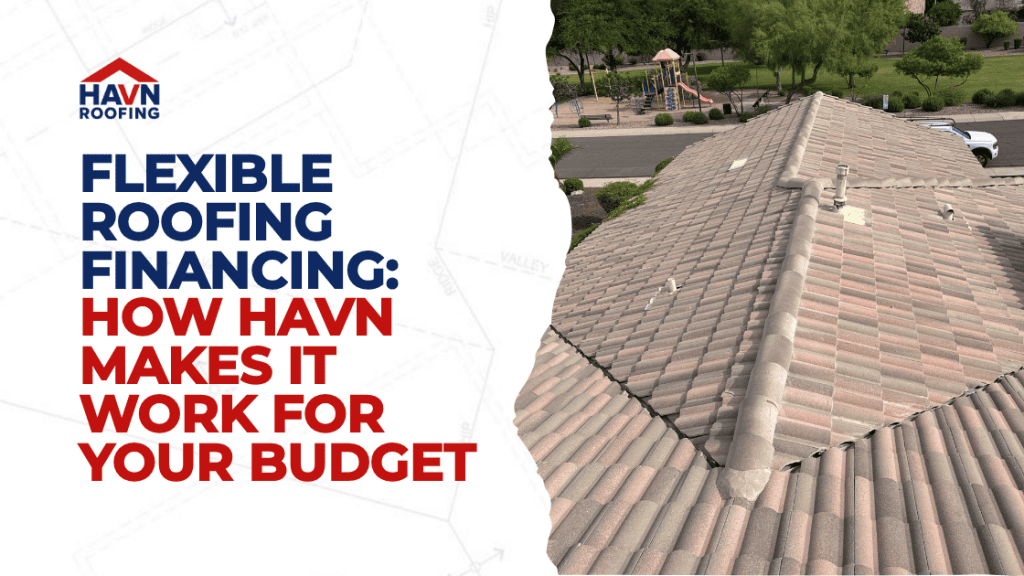
Homes with original tile roofs have been through thousands of extreme heat-and-cool cycles. Over time, this cycling causes tiles to crack, shift, or loosen, particularly around ridges, valleys, and roof penetrations like vents and chimneys.
Aging flashing around penetrations
Flashing around chimneys, vents, skylights, and wall intersections tends to be one of the first things to fail on an older roof. Metal flashing corrodes or pulls away over time, and older sealants dry out and crack, creating entry points for water during monsoon storms.
Additions and renovations that were never properly roofed
Many older Tempe and Guadalupe homes have been added onto over the years — a converted patio, an extra room, a garage. Rooflines over these additions are a common weak point if the original tie-in work was not done to match the durability of the main roof.
What to prioritize if you own an older home here
- Get an underlayment-focused inspection, not just a surface look at the tile or shingles. On an older roof, what is underneath matters more than what is visible from the ground or a drone photo.
- Ask about attic ventilation as part of any roofing conversation. Improving ventilation during a repair or replacement can meaningfully extend the life of your new roofing materials.
- Have transition points and additions inspected specifically. These areas fail well before the rest of an older roof typically does.
- Weigh repair versus replacement carefully. On a roof already several decades old, patching one issue often means the next one is close behind. A full assessment helps you understand whether repair is a short-term fix or a longer-term solution.
Tempe and Guadalupe’s climate factors
Like the rest of the Phoenix metro, Tempe and Guadalupe deal with sustained summer heat, intense UV exposure, and monsoon season from June through September. Older roofing systems in this area were simply not built with today’s understanding of how much stress that combination puts on materials over multiple decades, which is why so many issues in older homes trace back to original underlayment, flashing, and ventilation choices rather than the roofing material itself.
Final thoughts for older-home owners in Tempe and Guadalupe
An older roof is not automatically a roof in crisis, but it does deserve a closer look than a newer one. Understanding what is happening beneath the surface — underlayment condition, ventilation, and flashing — gives you a much clearer picture of whether your roof needs a repair, a partial update, or a full replacement.
FAQs
How do I know if my older home’s roof needs replacement rather than repair?
If the underlayment is degraded, if multiple areas are showing separate issues at once, or if the roof is already several decades old, replacement is often more cost-effective long-term than a series of repeated repairs. A full inspection is the clearest way to know which situation applies to your home.
Are older tile roofs in Tempe and Guadalupe generally still in good condition?
It varies widely by home. The tile itself often holds up well, but the underlayment beneath it frequently reaches the end of its functional life well before the tile shows obvious damage, which is why an inspection focused on what is under the tile matters so much for older homes.
Does improving attic ventilation actually make a difference on an older home?
Yes. Better attic ventilation reduces heat buildup that accelerates wear on roofing materials from underneath, and it can also reduce cooling costs, which matters given how much older Tempe and Guadalupe homes rely on air conditioning through the summer.
What should I ask a roofing contractor before hiring them for an older home?
Ask specifically how they assess underlayment condition, how they handle transition points on additions or renovated areas, and whether they will evaluate attic ventilation as part of the inspection, not just the visible roofing surface.
Have more questions? Check out our FAQ page.