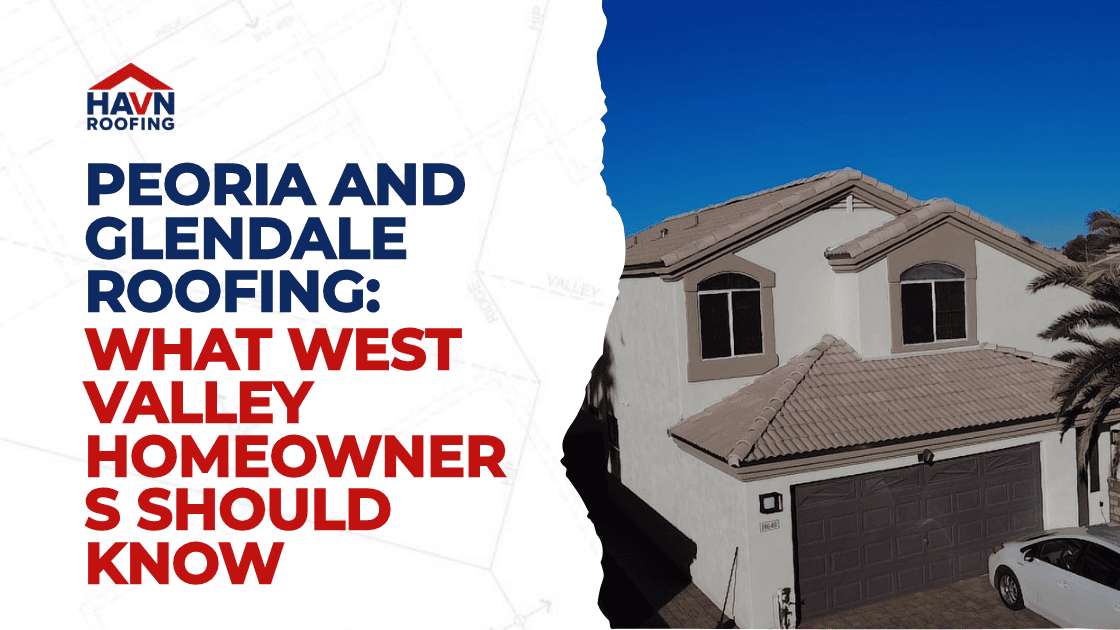
Peoria and Glendale Roofing: What West Valley Homeowners Should Know
From older Glendale neighborhoods to newer Peoria construction, West Valley homes face specific roofing challenges. Here’s what homeowners in both cities should know.
Peoria and Glendale sit side by side in the West Valley, but the roofing challenges homeowners face in each city aren’t always identical. Glendale’s mix of established mid-century neighborhoods and newer developments means a wide range of roof ages and materials. Peoria, with more recent growth, tends to have younger roofs — but that doesn’t mean they’re immune to Arizona’s climate demands. Here’s what homeowners in both communities should keep in mind.
What West Valley homes have in common
Regardless of when your home was built, every roof in Peoria and Glendale deals with the same baseline conditions: sustained summer heat, intense UV exposure, and monsoon storms that roll through from June through September. The West Valley doesn’t get meaningfully different weather than the rest of the Phoenix metro, but the age and construction style of homes in these two cities creates some real differences in what tends to go wrong.
Glendale: older neighborhoods, more roofing variety
Glendale has a mix of home ages that’s broader than many of its neighboring cities — from mid-century ranch homes near downtown Glendale and Catlin Court, to newer construction further north and west.
Common issues in older Glendale homes
Homes built several decades ago often have roofing systems that have already been replaced once or twice, but original components — like flashing around chimneys, vents, or additions — sometimes get overlooked during those replacements. These older transition points are common sources of leaks that aren’t obvious from the roof’s overall appearance.
What to watch for
- Aging flashing around older additions or skylights
- Roof systems that don’t match the home’s original construction, from a previous owner’s repair or partial replacement
- Attic ventilation that wasn’t updated when the roofing material was changed
Peoria: newer construction, different pressure points
Peoria has seen substantial growth over the past two decades, so a large share of homes here have roofs that are still within their expected lifespan. That doesn’t mean Peoria homeowners can ignore roofing maintenance — it just shifts the focus.
What matters most for newer Peoria roofs
- Builder-grade materials. Some production homes are built with baseline roofing materials that meet code but aren’t necessarily optimized for Arizona’s heat and UV exposure. Knowing what’s actually on your roof helps you plan realistically for its lifespan.
- HOA considerations. Many Peoria neighborhoods have HOAs with specific rules about roofing materials, colors, and contractor requirements. It’s worth checking HOA guidelines before any repair or replacement project.
- Preventive maintenance. A newer roof still benefits from periodic inspections, especially before monsoon season, to catch minor issues before they become expensive ones.
Monsoon considerations for both cities
West Valley communities aren’t spared from monsoon intensity. Both Peoria and Glendale see the same wind, hail, and heavy rain risk as the rest of the Valley during storm season. A few things worth doing before monsoon season hits, regardless of your home’s age:
- Clear debris from gutters and downspouts
- Check for loose or damaged roofing material from the prior season
- Confirm attic ventilation is functioning properly, since trapped heat and moisture compound storm-related stress on a roof
Choosing a roofer in the West Valley
Whether you’re in Glendale or Peoria, a few things are worth confirming with any roofing contractor:
- Are they licensed and insured to work in Arizona?
- Do they have experience with your home’s specific roofing material — especially if it’s an older or non-standard system in Glendale?
- Can they explain HOA compliance requirements if you’re in a Peoria neighborhood with restrictions?
- Do they offer a genuine inspection before quoting, rather than a quote based on square footage alone?
Final takeaway
Glendale and Peoria may sit next to each other in the West Valley, but the roofing priorities aren’t always the same. Glendale’s older housing stock means more variation in roof age and past repairs, while Peoria’s newer construction shifts the focus toward material quality, HOA rules, and preventive maintenance. Either way, the fundamentals — a thorough inspection, quality materials, and proper installation — matter just as much here as anywhere else in the Valley.
FAQs
Do Glendale and Peoria have different roofing needs than the rest of Phoenix?
The climate factors are the same across the Valley. The differences come down to housing age and construction style — Glendale has more older homes with varied roofing histories, while Peoria has more newer construction with builder-grade materials.
Does my Peoria HOA restrict what roofing materials I can use?
Many Peoria neighborhoods do have HOA guidelines on roofing color, material, and sometimes approved contractors. It’s worth checking your HOA’s specific rules before starting a repair or replacement project.
How do I know if my older Glendale home has outdated flashing?
A professional inspection can identify flashing around chimneys, vents, skylights, and additions that may not have been updated during a previous roof replacement. This is a common area for leaks in older homes.
Is a newer Peoria roof still worth inspecting regularly?
Yes. Even a roof within its expected lifespan benefits from periodic inspections, particularly before monsoon season, to catch minor wear or installation issues early.
What’s the biggest roofing risk during monsoon season in the West Valley?
Wind and hail are the primary risks, along with any pre-existing damage or loose material that can worsen during a storm. Addressing minor issues before monsoon season reduces the risk of significant damage.
Have more questions? Check out our FAQ page.