How to Maintain and Repair Your Flat Roof in Arizona
A practical guide to Arizona flat roof maintenance and repair, including common problems, preventative maintenance practices, and long-term planning tips for homeowners.
Maintaining and repairing flat roofs in Arizona is critical because of the state’s extreme heat, intense UV exposure, and periodic heavy rain. Flat roofs can perform well here, but only with consistent upkeep and proactive repairs.
Here is the quick version:
- Regular Inspections: At least twice yearly to catch issues early.
- Address Water Pooling: Keep drainage clear and correct low spots when needed.
- Maintain Protective Coating: Reapply coatings as needed to reduce UV damage.

Flat roofs demand regular care to optimize performance and extend service life.
Flat roofs can balance aesthetics and functionality in Arizona, but they also carry climate-specific risks. Understanding common roof types and failure points is the first step toward stronger maintenance outcomes.
Understanding flat roofs in Arizona
Types of flat roofs
Flat roofs are common in Arizona, especially in markets like Phoenix and Tucson. They can be cost-effective and architecturally clean, but system selection matters.
- Built-Up Roofing (BUR): Multi-layer asphalt and felt assemblies, often finished with gravel. Known for durability and waterproofing.
- PVC Roofing: Single-ply membrane system with strong UV resistance, often a practical option in high-sun climates.
- Modified Bitumen: Layered asphalt system with polymer modification for added flexibility and strength.
- Elastomeric Layer: Flexible protective coating used to improve waterproofing and UV resistance.
- SPF Roofing (Spray Polyurethane Foam): Spray-applied insulation and waterproofing layer with seamless coverage and energy-performance upside.
Common issues
Arizona weather creates recurring stress patterns on flat roofs that owners should monitor.
- Thermal Expansion: Daily and seasonal temperature swings can cause repeated expansion/contraction and lead to cracking.
- UV Damage: Intense sun degrades exposed materials and coatings over time.
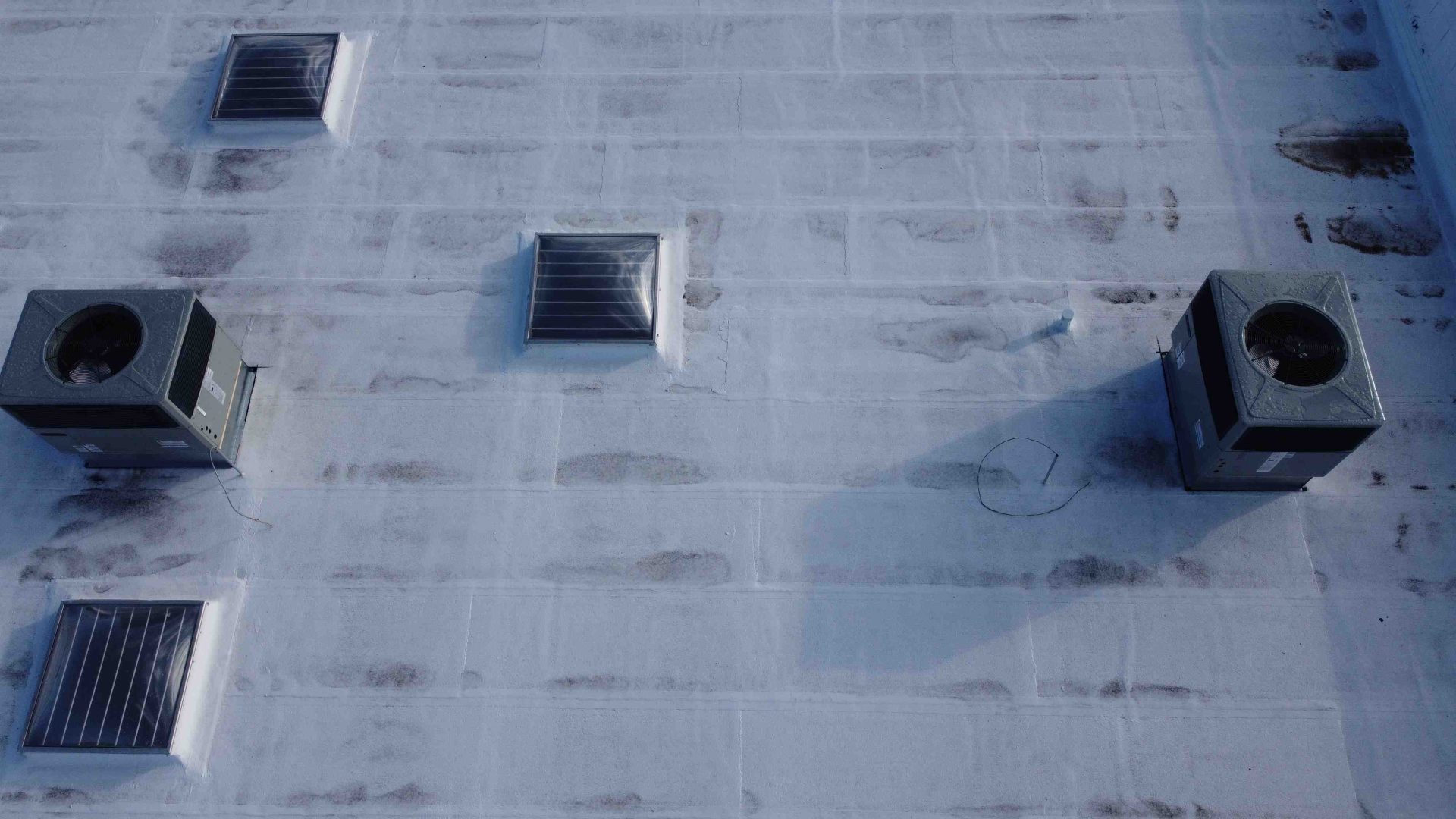
- Water Pooling: Drainage problems can cause standing water, leaks, and long-term structural issues.
- Cracks: Often tied to thermal movement and sun aging.
- Debris Accumulation: Dust, leaves, and storm debris can block drainage paths; regular cleaning is important.
Understanding these patterns helps owners make better maintenance decisions and avoid preventable failures.
Best practices for flat roof maintenance
Maintaining a flat roof in Arizona is manageable when you follow consistent, repeatable practices.
Regular inspections
Professional inspections twice a year are recommended, and additional checks after major storms are wise. During inspections, teams should look for cracks, blisters, drainage blockage, seam fatigue, and coating wear.

Why it matters: Early detection keeps small problems from becoming expensive repairs.
Drainage and cleaning
Proper drainage is critical. Keep drains, scuppers, and gutters clear. If certain areas repeatedly collect water, evaluate slope correction.
Regular cleaning is especially important in desert conditions where dust and debris accumulate quickly.
- Clear Drains: Remove leaves, dirt, and debris from all drainage points.
- Slope Correction: Adjust areas where water repeatedly ponds.
Why it matters: Drainage failures are a primary source of flat-roof leaks and moisture damage.
Protective coatings
UV protection is essential in Arizona. Coating maintenance cycles often land in the 5 to 10 year range, depending on system type and condition.
Reflective coatings can also reduce heat absorption and may improve cooling efficiency.
Why it matters: Timely recoating extends roof life and helps preserve system performance.
Addressing thermal expansion
Material selection and design details should account for thermal movement. Systems that tolerate expansion and contraction tend to perform better over time.
Sealant and flashing checks should be part of every inspection cycle because failures at transitions are common leak sources.
Why it matters: Planning for movement reduces cracking risk and improves waterproofing reliability.
Arizona flat roof maintenance and repair Arizona
Common repairs
Flat roofs in Arizona often require repairs tied to water movement, surface wear, and temperature stress.
Water pooling
Even minor roof depressions can hold water and eventually drive leaks. Correction usually involves drainage improvements and localized slope adjustment.
Low spots
Low areas can result from settling or initial design limitations. Regular inspection helps catch these before they become chronic leak points.
Punctures and cracks
Punctures from debris or traffic, plus cracking from thermal stress, should be sealed quickly to prevent deeper system damage.
Sealant issues
Sealants degrade under UV and temperature cycling. Inspect and refresh sealant and flashing assemblies before gaps turn into active leaks.
Professional repair services
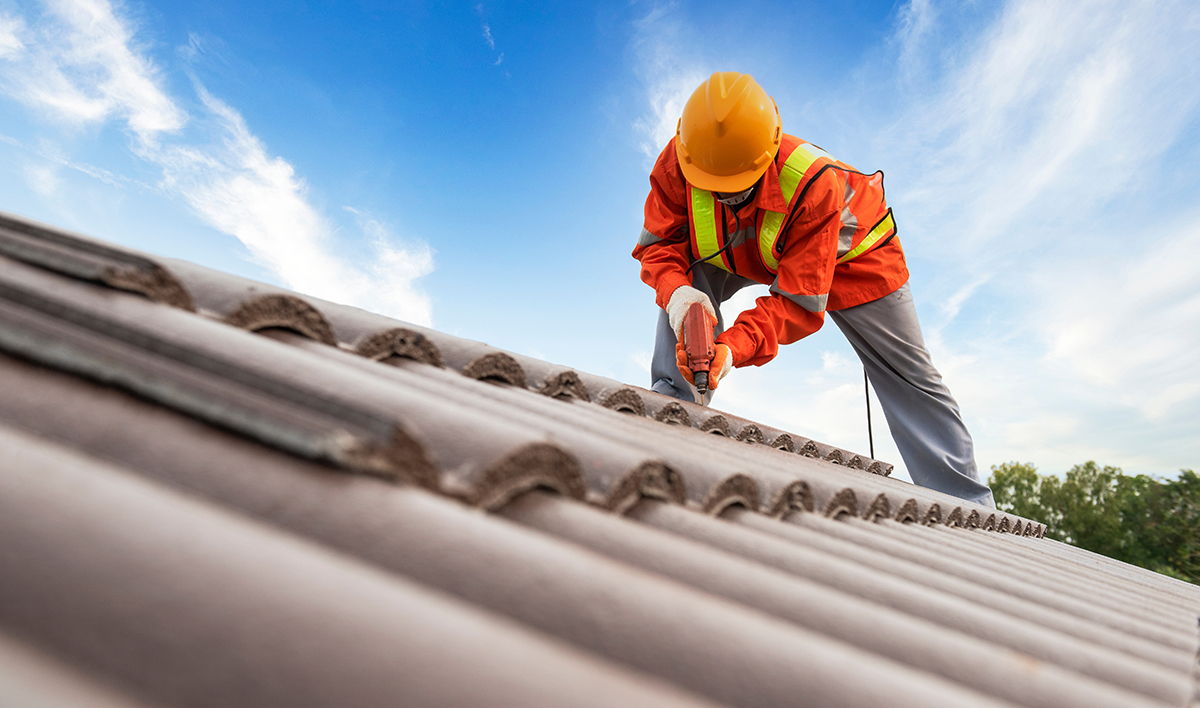
Some maintenance tasks can be handled by property owners, but many repairs require trained roofing professionals.
Expertise and safety
Roof work carries risk. Professional teams have the equipment, safety systems, and diagnostics needed to complete repairs correctly.
Long-term solutions
Professional roofing work focuses on durable outcomes, not temporary patches. System-appropriate materials and installation standards are key to long-term results.
For additional background on flat-roof failure patterns in Arizona, review common flat roofing problems.
Conclusion
Long-term planning
Flat roof lifespan varies by system type, installation quality, and maintenance consistency. Typical service life can range broadly from about 15 to 50 years.
Proactive maintenance and planned capital timing are the best ways to reduce surprise costs and protect long-term roof performance.

FAQ section
How often should I recoat a flat roof in Arizona?
Recoating every 5 to 10 years is a common planning range, adjusted by roof condition, coating type, and exposure.
How much does it cost to replace a flat roof in Arizona?
Replacement cost varies by roof size, material, access, and scope complexity. A local inspection is the most reliable way to build an accurate budget.
What maintenance does a flat roof need?
Routine inspections, debris removal, drainage checks, coating upkeep, and fast response to cracks or sealant failure are foundational.
How long does a flat roof last in Arizona?
With strong maintenance, many flat roof systems can perform for decades, though exact life depends on system design and site conditions.
What are the benefits of SPF roofing in Arizona?
SPF can provide strong insulation value, seamless waterproofing, and solid performance in high-heat environments when properly installed and maintained.
For project-specific recommendations, see HAVN Roofing roof repairs.