
Residential Tile Roof Replacement • Gilbert, Arizona • Full System Renewal • Completed by HAVN Roofing
Gilbert Tile Roof Replacement: Rebuilding a Leaking Tile Roof With New Underlayment and Flashings
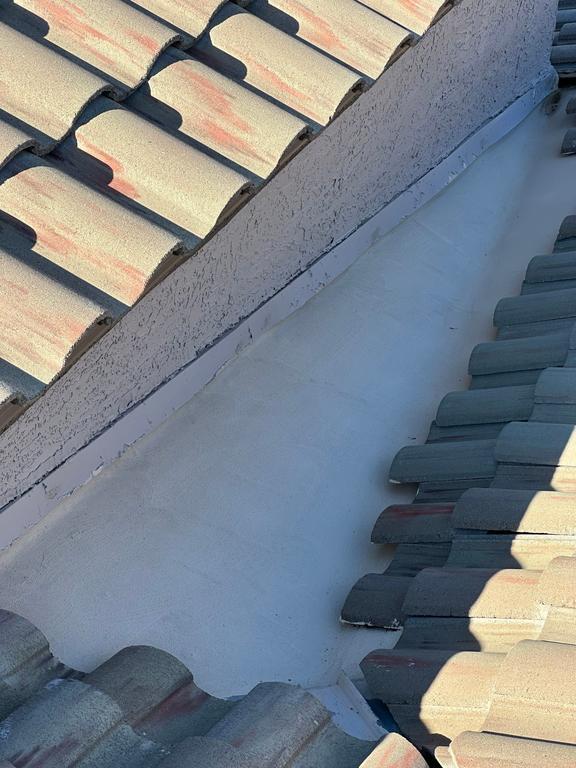
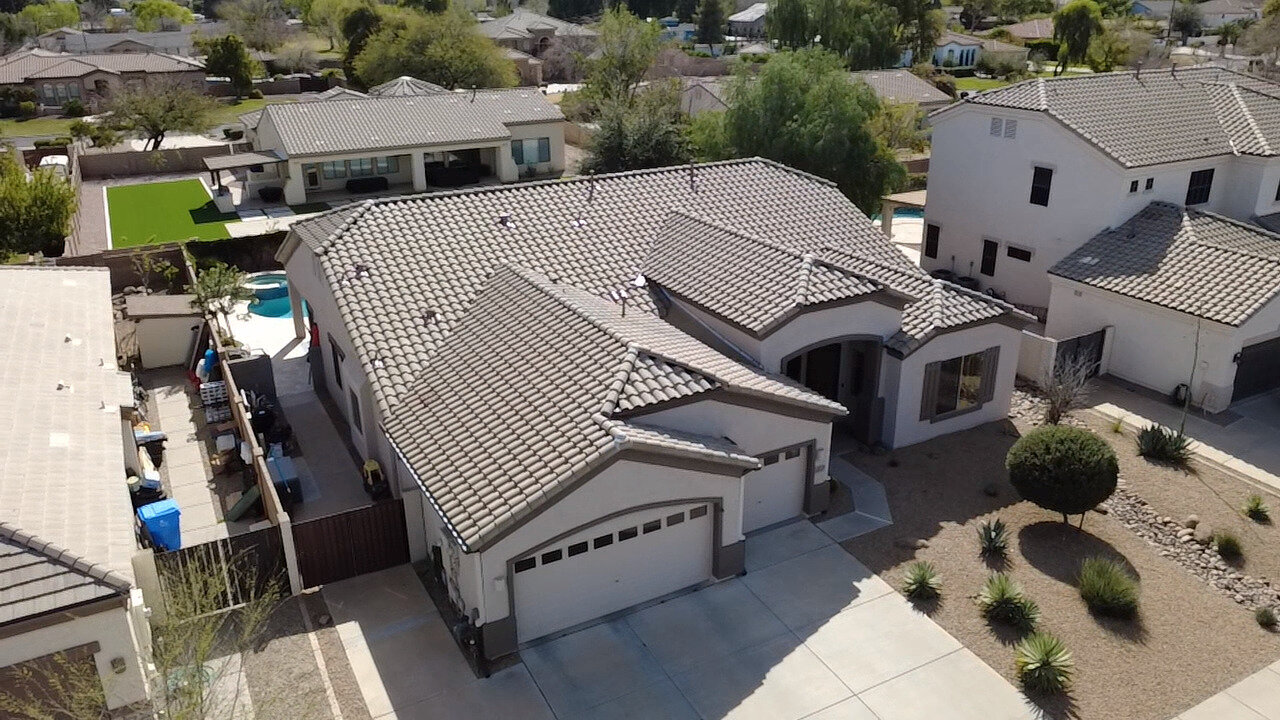
At HAVN Roofing, we completed this tile roof replacement project in Gilbert. Some details have been generalized to protect homeowner privacy, while keeping the scope, materials, and replacement process clear.
City
Gilbert, AZ (Chaparral Estates West)
Property
Residential home
Roof Type
Tile roof
Service
Full roof replacement
Response Time
Next-day response
Time on Site
Multiple days
Pricing and What Drives It
This project fell in the $15,000+ range. The main cost drivers were roof age, multiple penetrations, and solar detach-and-reset coordination.
It was a full tile roof replacement with tear-off, rebuilt waterproofing layers, new flashings, tile reset, and finish work across multiple days.
The Situation
The homeowner contacted HAVN Roofing after a leak appeared on a tile roof that had reached the point where another small repair was unlikely to solve the larger problem. Rather than patch one visible symptom and hope for the best, the better path was to rebuild the roof system underneath the tile so the home could have reliable waterproofing again.
- A roof leak had developed
- The tile roof was showing age-related failure
- Replacement made more sense than another short-term repair
What Was Causing It
The primary issue was worn-out underlayment, with failing flashing components acting as secondary contributors. That combination is a common end-of-life failure pattern on older tile roofs.
How We Verified the Roof Condition
We confirmed the roof condition as the existing system was opened up during tear-off. Removing the tile and aging components gave our team direct access to the underlayment, flashings, battens, and decking so the replacement could be built on a sound base.
- Removed and stacked existing roof tiles for reuse where appropriate
- Tore off old battens and underlayment to expose the waterproofing layers underneath
- Inspected roof decking and allowed for limited plywood, fascia, and trim replacement as needed
- Included flashing replacement at edges, penetrations, and valleys to address common leak points
Site protection for landscaping and the pool was built into the project before tear-off began.
The Plan
The plan was to preserve the home’s existing tile look while fully renewing the working parts of the roof underneath it: protect the property, remove the old roof components, rebuild the waterproofing and flashing layers, then reset the tile field and finish the visible details cleanly.
Materials and Components Used
- Underlayment: Westlake Royal Tile Seal self-adhered underlayment
- Tile Support: New wood battens for tile attachment
- Tile: Existing roof tiles reused, with replacement tiles for approximately 10% breakage
- Flashing and Metal: 3×3 edge metal, bird stop/eave riser, pipe jacks, T-top vents, C-channel flashing, and 3-rib valley metal
- Weather Blocking: Hip and ridge So Lite weather block
- Wood Repairs as Needed: Plywood roof decking, fascia boards, and trim boards
- Protection: Catch-All landscaping protection system and pool covering
- Finishing: Mortar, sealants, fasteners, and paint to blend visible penetrations with the tile color
Step-by-Step Work
Roof Removal and Site Preparation
We started by protecting landscaping and the pool area, then carefully removing the existing tile roof system. Reusable tiles were stacked aside, while old battens, underlayment, and debris were removed from the roof. With the assembly opened up, we inspected the decking and completed limited wood repairs where needed.
Install the New Roofing System
Next, we installed new flashing components at vulnerable details such as edges, valleys, and penetrations. We then applied the new self-adhered underlayment system, installed battens, reset the reusable tiles, and swapped in color-matched replacement tiles where breakage required it. Mortar was used to seal joints and ridge-cap areas to complete the tile assembly.
Finish Work, Cleanup, and Warranty Handoff
Once the roof system was complete, we painted visible penetrations to blend with the tile, cleaned the site thoroughly, and used magnetic tools to collect stray fasteners. After final review, the homeowner received a 20-year no-leak warranty on the underlayment, along with ongoing yearly inspection support.
Results
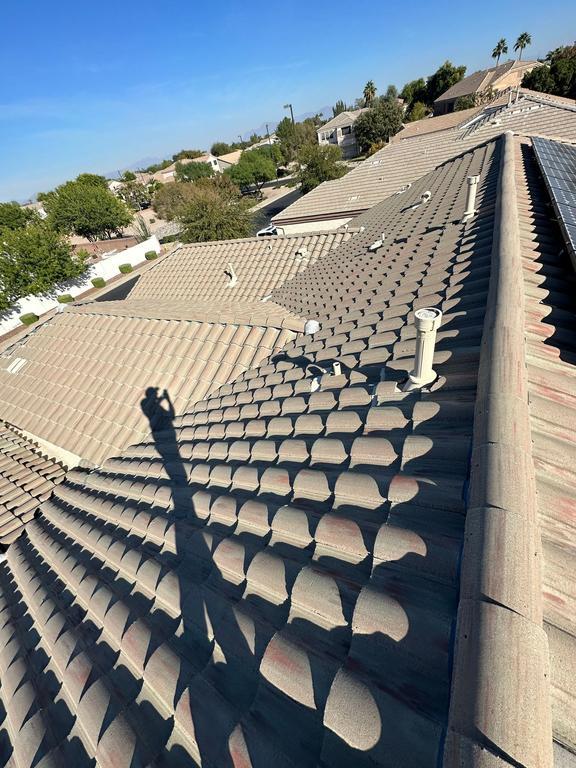
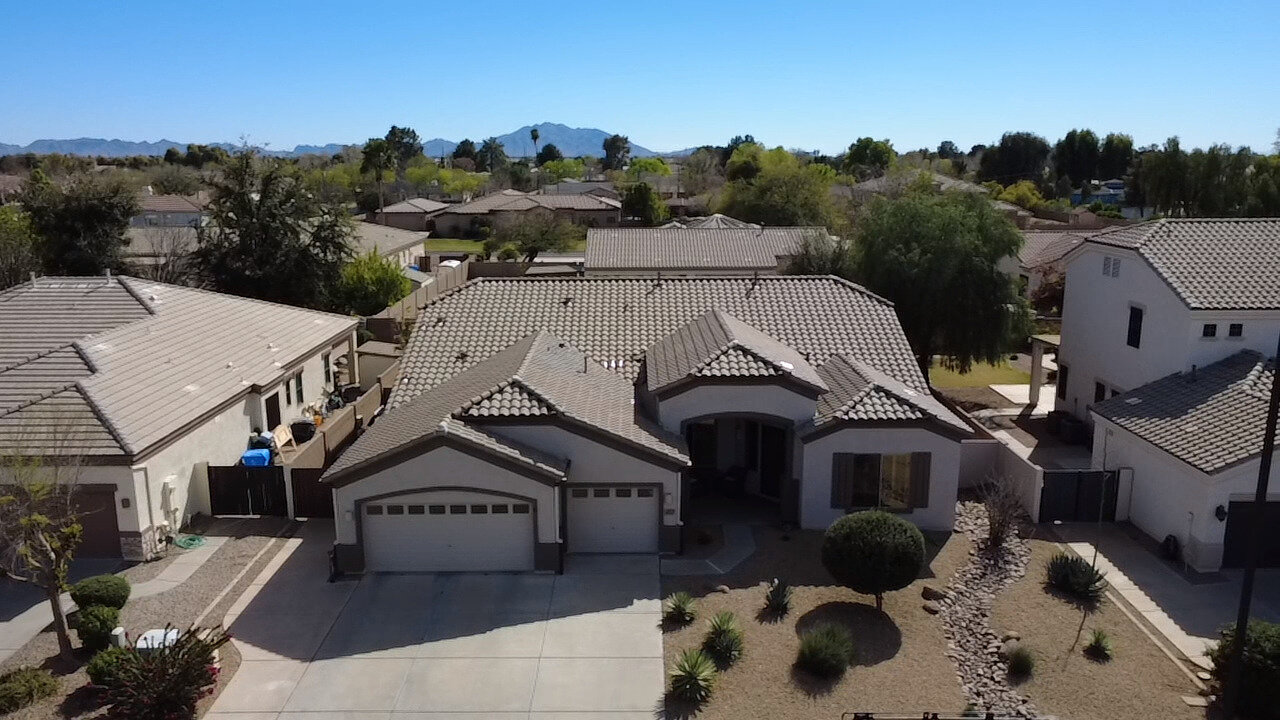
From the street, the finished roof kept the same general tile look the home had before. Underneath, though, the system was fully renewed. With new underlayment, updated flashings, reset tile, and substrate repairs where needed, the home moved from a leaking end-of-life roof to a more dependable long-term assembly built for Arizona heat and storms.
This roof replacement included a 20-year no-leak warranty on the underlayment, along with yearly inspection support to help keep the system performing well over time.
Before and After
A quick side-by-side recap of the roof before replacement and after the tile system was reset over new waterproofing layers.
FAQ
Why replace a tile roof instead of patching one leak?
In this case, the leak was tied to worn-out underlayment and failing flashing details on an aging roof. Once those layers are broadly at end of life, a full replacement is often more reliable than isolated repairs.
Can existing tile usually be reused on a replacement?
Yes. This project scope included carefully removing and stacking the original tiles for reuse, then replacing broken pieces with color-matched tiles where needed.
What typically affects tile roof replacement pricing?
For a project like this, pricing is driven by the size of the replacement scope, roof age, the number of penetrations that need flashing work, and added coordination items such as solar detach and reset. This case fell in the $15,000+ range.
What kind of warranty was included?
The completed project included a 20-year no-leak warranty on the underlayment plus free yearly inspections.
Have more questions? Check out our FAQ page.
Need a Tile Roof Inspection in Gilbert?
If you are dealing with a leak on an older tile roof, request an inspection. We will document what we find, explain whether repair or replacement makes more sense, and outline the scope clearly.
We do not publish addresses or homeowner-identifying details.