Signs Your Roof Deck (Not Just Shingles) Needs Replacing
Shingles aren’t the only thing that wears out. Here’s how to recognize when the wood roof deck underneath needs to be replaced, too.
When people talk about replacing a roof, the conversation is usually about shingles or tile — the visible layer on top. But underneath that layer is a structural component that gets far less attention: the roof deck, also called sheathing. It is the layer of wood, usually plywood or OSB, that everything else on your roof is attached to. When the deck itself is damaged, replacing only the shingles on top does not solve the underlying problem.
What is a roof deck, exactly?
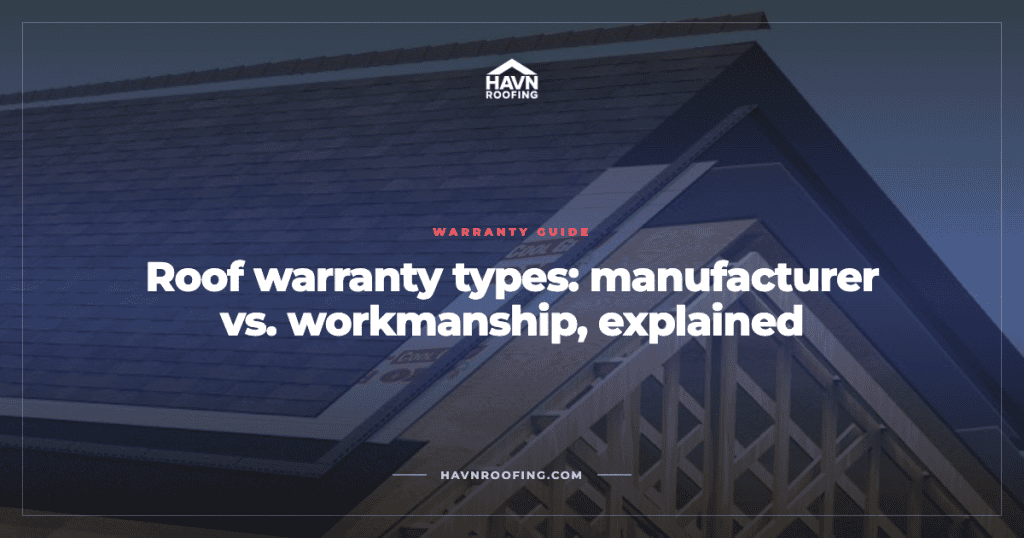
The roof deck is the solid wood surface nailed across your roof’s trusses or rafters. Underlayment, flashing, and your shingles or tile are all installed on top of it. It serves two jobs at once: giving your roofing materials something solid to attach to, and adding structural rigidity that helps the roof resist wind and general stress.
Because it sits underneath every other layer, the deck is largely invisible during a normal glance at your roof — which is exactly why deck damage tends to go unnoticed until it becomes a bigger problem.
Signs your roof deck may need replacing
Soft or spongy spots when walked on
One of the most reliable signs of deck damage is a section of roof that feels soft, spongy, or gives noticeably underfoot compared to the surrounding area. An experienced roofer can often identify this simply by walking the roof during an inspection.
Sagging or dipping in the roofline
A roof that sags or dips in a specific area — rather than following a straight, even plane — often indicates the deck underneath has lost structural strength. This is one of the more serious signs, since it points to a deck that is beginning to fail under the roof’s own weight.
Visible rot or discoloration in the attic
The attic is the best place to check for early signs of deck problems, since you are looking at the underside of the deck directly. Watch for dark staining, black or brown discoloration, a powdery or crumbling texture, or wood that looks swollen or warped.
A musty odor in the attic
A persistent musty smell in the attic is often a sign of ongoing moisture and possible fungal growth, even before visible damage appears. It is worth investigating rather than dismissing, since it usually means moisture has been present for a while.
Light visible through the roof boards
If you can see daylight coming through gaps in the roof deck from inside the attic, that is a clear sign the wood has deteriorated or shifted enough to create openings — and a sign that water and pests can get in just as easily as light gets out.
Nails backing out or shingles that won’t stay flat
When deck wood deteriorates, it can lose its grip on the fasteners holding the shingles in place. Nails working their way back out, or shingles that look uneven or loose despite being relatively new, can point to a compromised deck underneath rather than an issue with the shingles themselves.
Bulging or bowing sections visible from outside
Moisture-damaged decking can swell or sink, which sometimes shows up as a visible bulge or dip when looking at the roof from the ground or a ladder — a sign the problem has progressed past the early stages.
Why replacing shingles alone isn’t enough
If a roof’s deck has rot or structural damage, installing new shingles or tile directly on top does not fix the underlying issue — it just covers it up. New roofing material still needs a solid, stable surface to perform correctly and stay attached through wind and weather. Roofing over a compromised deck is one of the more common ways homeowners end up with a leak again soon after what should have been a fresh, long-lasting roof.
This is also why a reputable roofer inspects the deck, not just the surface layer, whenever a roof replacement is underway — and why it’s worth asking directly whether deck inspection is included in your quote.
What deck replacement involves
When sections of deck are found to be damaged, roofers remove the old roofing material in that area, cut out and replace the compromised sheathing with new plywood or OSB, and then proceed with underlayment and new roofing material as normal. Only the damaged sections typically need replacement — a full deck replacement across the entire roof is uncommon unless the damage is widespread.
Questions to ask before a roof replacement
- Will you inspect the deck, not just the surface roofing material, before installation begins?
- How will you handle it if deck damage is discovered mid-project, and how does that affect cost?
- Are there any current signs — attic staining, soft spots, sagging — that suggest deck issues already exist?
- What is causing any existing moisture problem, so it doesn’t damage the new deck the same way?
FAQs
Can I tell if my roof deck is damaged without going into the attic?
Some signs are visible from outside, like sagging or bulging sections, but the attic is the most reliable place to spot early damage, since you can see the underside of the deck directly.
Does roof deck damage always mean a full roof replacement?
Not necessarily. If the damage is limited to a specific area, a roofer can typically replace just that section of decking as part of a repair or a partial reroofing project.
How much does it cost to replace roof decking?
Cost depends heavily on how much decking needs to be replaced and what is driving the damage. A roofer can only give an accurate estimate after inspecting the extent of the problem.
Is roof deck rot covered by homeowners insurance?
It depends on the cause and your specific policy. Damage from a sudden, covered event like a storm may be covered, while gradual deterioration from age or poor ventilation typically is not. Reviewing your policy or asking your insurer directly is the best way to know for sure.
Have more questions? Check out our FAQ page.