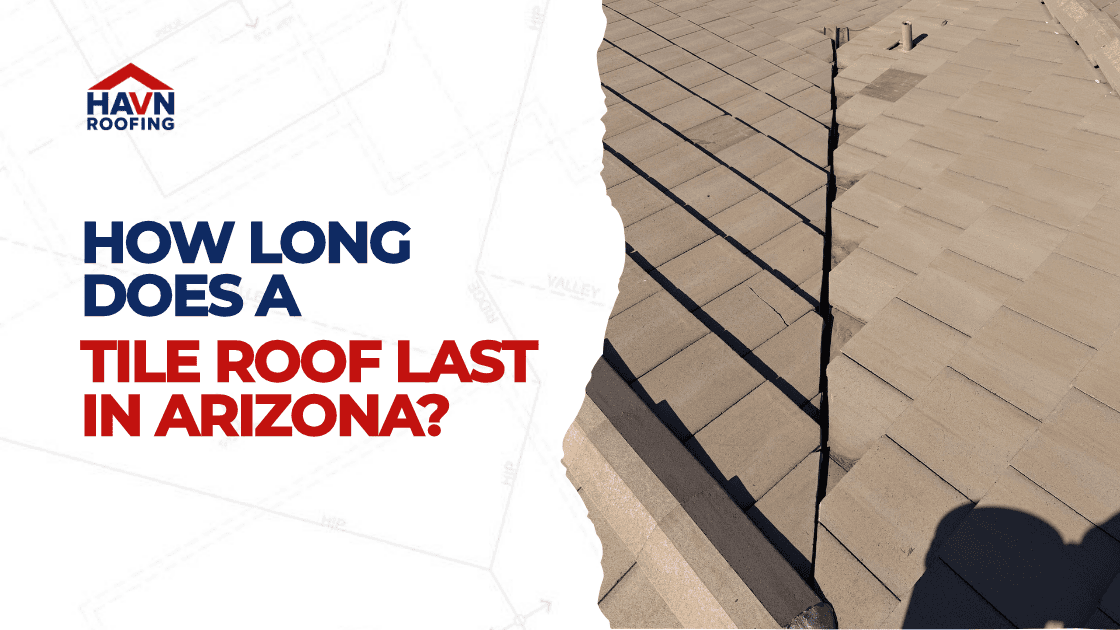
How Long Does a Tile Roof Last in Arizona?
Tile roofs are known for longevity, but how long do they actually last in Arizona’s heat? Here’s what determines a tile roof’s lifespan and how to get the most out of yours.
If you have a tile roof — or you’re considering one — the lifespan question is usually the first thing people want to know. Tile has a reputation for lasting a long time, but “a long time” means different things depending on who you ask and where you live. In Arizona specifically, the answer comes with some important nuance.
The short answer
A properly installed and maintained tile roof in Arizona typically lasts 40 to 50 years, and in many cases longer. That puts tile well ahead of asphalt shingles, which generally last 20 to 30 years in the same climate. But that headline number only tells part of the story — the actual lifespan of your specific roof depends on several factors.
Why tile lasts so long in Arizona specifically
Arizona’s climate is brutal on roofing materials in most respects — extreme heat, intense UV radiation, and dramatic temperature swings between day and night. Tile happens to handle several of these stressors better than most other roofing materials.
Tile resists UV and heat degradation
Concrete and clay tile are largely immune to the kind of UV breakdown that shortens the life of asphalt products. Where shingles slowly lose granules and become brittle under constant sun exposure, tile’s mineral composition holds up with minimal degradation over decades.
Thermal mass works in tile’s favor
Tile absorbs and releases heat slowly rather than transferring it directly into the attic space. Many tile profiles also create a small air gap between the tile and the roof deck, which helps with heat dissipation — a real advantage during Arizona summers when surface temperatures can exceed 170°F.
Tile is largely unaffected by monsoon moisture
When tile is intact and properly installed, it sheds water effectively during monsoon storms. The tile itself doesn’t absorb and hold moisture the way some materials do, which limits weather-related wear over time.
What actually determines your roof’s lifespan
The 40-to-50-year figure assumes a properly installed roof that’s been reasonably maintained. Several factors can push that number up or down.
Installation quality
Tile roofs depend heavily on what’s underneath the tile — the underlayment and flashing. Tile itself can outlast the structure beneath it if that underlayment isn’t installed correctly or isn’t rated for Arizona conditions. A poorly installed tile roof can develop leaks decades before the tile itself would ever fail.
Underlayment lifespan
The underlayment beneath your tile is doing the actual waterproofing work — the tile mainly protects the underlayment from UV and impact. Underlayment materials have their own lifespan, often 20 to 30 years depending on the product, which means many tile roofs need underlayment replacement (with the existing tile reinstalled) well before the tile itself needs replacing.
Cracked or broken tiles
Individual tiles can crack from impact — foot traffic, falling debris, or hail. A cracked tile doesn’t necessarily cause an immediate leak, but it does expose the underlayment beneath it to UV and moisture. Left unaddressed, a handful of cracked tiles can meaningfully shorten your roof’s effective lifespan.
Regular inspections and maintenance
Tile roofs benefit from periodic inspections to catch cracked or slipped tiles, deteriorating flashing, and early underlayment wear before they become bigger problems. A roof that’s inspected every few years — especially before monsoon season — tends to reach or exceed the upper end of its expected lifespan.
Signs your tile roof may need attention
- Cracked, chipped, or slipped tiles visible from the ground or during an inspection
- Visible sagging in any part of the roofline
- Water stains on interior ceilings or walls
- Granule buildup or debris in gutters (a sign of underlayment or flashing wear)
- A roof approaching or past the 20 to 25 year mark without a documented underlayment inspection
Getting the most out of your tile roof
- Address cracked tiles promptly. A single cracked tile is a quick, inexpensive repair. Left alone, it becomes a bigger and more expensive one.
- Schedule inspections every few years, and always before monsoon season.
- Ask about your underlayment’s age and condition, not just the tile itself — this is usually where the real lifespan question is decided.
- Avoid unnecessary foot traffic on tile from satellite installers, painters, or solar crews who aren’t trained to walk on it safely.
Final takeaway
A tile roof in Arizona can realistically last 40 to 50 years or more — but that number depends on quality installation, sound underlayment, and reasonably consistent maintenance along the way. The tile itself is rarely the limiting factor; what’s underneath it usually is.
FAQs
Do all tile roofs in Arizona last 40-50 years?
Not automatically. That range assumes correct installation and periodic maintenance. Roofs with poor underlayment, unaddressed cracked tiles, or no inspection history can develop problems well before that timeframe.
Does a cracked tile mean the whole roof needs replacing?
No. Individual cracked tiles can typically be repaired or replaced on their own. A roof-wide replacement is usually only necessary when the underlayment has failed broadly or extensive tile damage exists across the roof.
How often should a tile roof be inspected?
Most roofing professionals recommend an inspection every two to three years, along with a check before monsoon season, to catch cracked tiles or early underlayment wear before they lead to leaks.
Is clay tile or concrete tile more durable in Arizona?
Both perform well in Arizona’s climate. Clay tile tends to hold color longer and has a slightly longer track record of extreme longevity, while concrete tile is generally more affordable and impact-resistant. The right choice often comes down to budget and aesthetic preference.
Can the underlayment be replaced without replacing the tile?
Yes. This is a common practice — existing tiles are carefully removed, new underlayment is installed, and the same tiles are reinstalled. It’s typically far less expensive than a full tile-and-underlayment replacement.
Have more questions? Check out our FAQ page.